College Football Spread Betting Guide: How Point Spreads Work in NCAAF
College football serves up some of the widest talent gaps in all of sports. One Saturday brings a playoff contender hosting a rebuilding program; the next brings two ranked rivals separated by a field goal. The point spread is what turns both of those games into a fair contest for bettors, and getting comfortable reading College Football Betting Odds is the first real step toward backing the sport with a plan instead of a hunch. In this guide, we break down how NCAAF spreads are set, why they run so wide, and how we read them before placing a stake.


Updated August 3, 2026
AI Summary


What a point spread actually is
A point spread is the number the sportsbook uses to level the field between a stronger team and a weaker one. Instead of asking who comes out ahead outright, the spread asks by how much. The favorite carries a minus number and has to cover it, meaning they need to beat the underdog by more than that margin. The underdog carries a plus number and covers by either pulling the upset or simply staying closer than the spread allows.
Say we see a top program listed at -14.5 against an unranked opponent. Back the favorite, and they need to come out ahead by 15 or more for us to collect. Back the underdog at +14.5, and we are in good shape as long as they stay within 14 points, even in a defeat. That is the whole appeal of spread betting: the final score matters far less than the margin.
Reading the price attached to the spread
Every spread comes with a price, usually shown as -110 on each side. That number is the vig, the cut the sportsbook takes for booking the bet. At -110, we stake 110 to return 100 in profit, so a 100 stake returns roughly 91 in profit on a cover. It is a small tax, but across a full season, it is the single biggest reason line shopping matters. Grabbing a better number or a lower price on the same game adds up fast over a Saturday slate.
Why college spreads run wider than the NFL
NCAAF spreads stretch far wider than anything we see in the pros. Double-digit favorites are routine, and it is not unusual to find lines north of 30 points in early-season mismatches. The reason is simple: the gap between a top-ten program and a mid-tier school is enormous compared to the relative parity of the NFL. Recruiting, depth, coaching, and resources all stack up on one side.
That width creates both opportunity and risk. A huge favorite might cruise to a blowout and cover with ease, or empty the bench in the third quarter once the result is decided, letting the underdog quietly chip away at the margin. Backdoor covers, where the underdog scores late in garbage time to sneak under the number, are a college football staple. We factor that late-game behavior into every large spread we weigh up.
Key numbers and the half-point hook
Football is scored in threes and sevens, so certain margins land far more often than others. In college, the most important key numbers are still 3 and 7, the value of a field goal and a converted touchdown. A spread sitting on 3 or 7 rests on a number that decides a huge share of games, which is why the half-point hook matters so much.
The hook is that extra half point, like -3.5 instead of -3. It looks tiny, but it is the difference between a push and a loss when a game lands exactly on the number. Laying -2.5 rather than -3 can flip a whole category of results in our favor, and books price that half point accordingly. Whenever we shop lines, we pay close attention to which side of the key number we are on.
Buying points and alternate spreads
Most sportsbooks let us buy points, nudging the spread half a point or more in our favor in exchange for a worse price. Buying off a key number, such as moving a favorite from -3 to -2.5, can be worth the extra cost because it shields us from the most common margins. Buying points on numbers that rarely decide games is usually a poor return. Alternate spreads work the same way, offering a menu of lines at different prices so we can dial the risk up or down to match our read on the game.
What happens on a push
If the final margin lands exactly on the spread, the bet is a push, and our stake is returned. That is only possible on whole-number spreads like -7 or -14. It is one more reason the hook carries so much weight: a half-point spread removes the push entirely, forcing a clean cover or no cover with nothing handed back. For exactly how pushes and covers grade at settlement, see our betting rules.
Line movement and betting live
Spreads are not fixed once they post. They shift as bets pour in, as injury news breaks, and as sharp bettors weigh in on one side. A line that opens at -7 might climb to -9 by kickoff, or drop to -5 if the public piles onto the underdog. Watching that movement tells us where the pressure is landing.
Some of the sharpest spots show up after kickoff. Betting live, we can back a spread while the game is unfolding, reacting to momentum, tempo, and how each side is actually performing rather than how they looked on paper. A slow start from a heavy favorite can hand us a friendlier number in real time.
Reading trends before you back a side
Raw talent is only half the picture. A team can be excellent and still be a poor bet if the market has already priced in everything they do well. This is where against-the-spread records earn their keep. Digging into ATS data and public action points toward spots where the number looks off. Pairing that read with the mechanics here is how we move from guessing to grinding out an edge.
When to skip the spread
The spread is not the only way to back a side. When we fancy an underdog to pull a straight upset, or a favorite whose margin feels shaky, the moneyline can be the smarter play. Dropping the spread and backing the outright result lets us take the side we like without sweating the margin, a call worth weighing whenever the number feels off.
Bet the Game Live
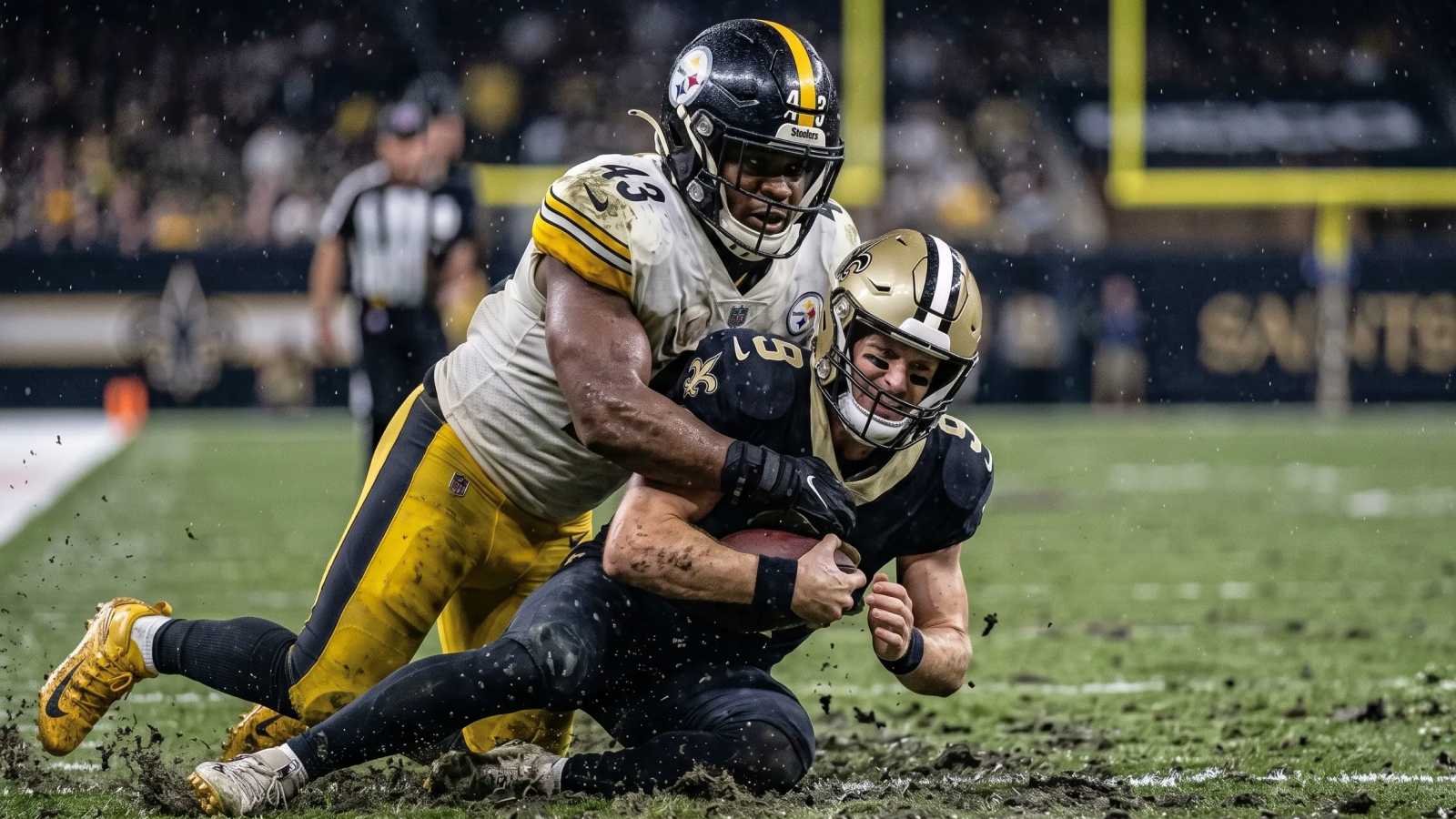
The opening line is only the beginning. Watch the game unfold, track the momentum and look for opportunities as the odds move drive by drive.
Live NFL BettingReady to read the board
Point spreads reward patience and preparation. Learn the key numbers, respect the hook, shop for the best price, and track the way lines move through the week. Do that consistently, and the spread stops feeling like a coin flip and starts looking like a puzzle we can solve.
When you are ready to put a read to the test, top up in a few taps through our banking options and dive in. College football is just one slice of the board, too; our esports markets keep the live action going once the Saturday slate winds down. And however you bet, we're backing staying in control, so lean on our responsible gaming tools whenever you need them. Betting. Supercharged.